Home exterior · Roofing estimates · Paid editorial
Before you replace a roof, get the scope in writing
A roof quote is only useful when it says what comes off, what goes back on, and who stands behind the labor. This guide walks through the decisions homeowners usually face, then how a free local estimate request works.
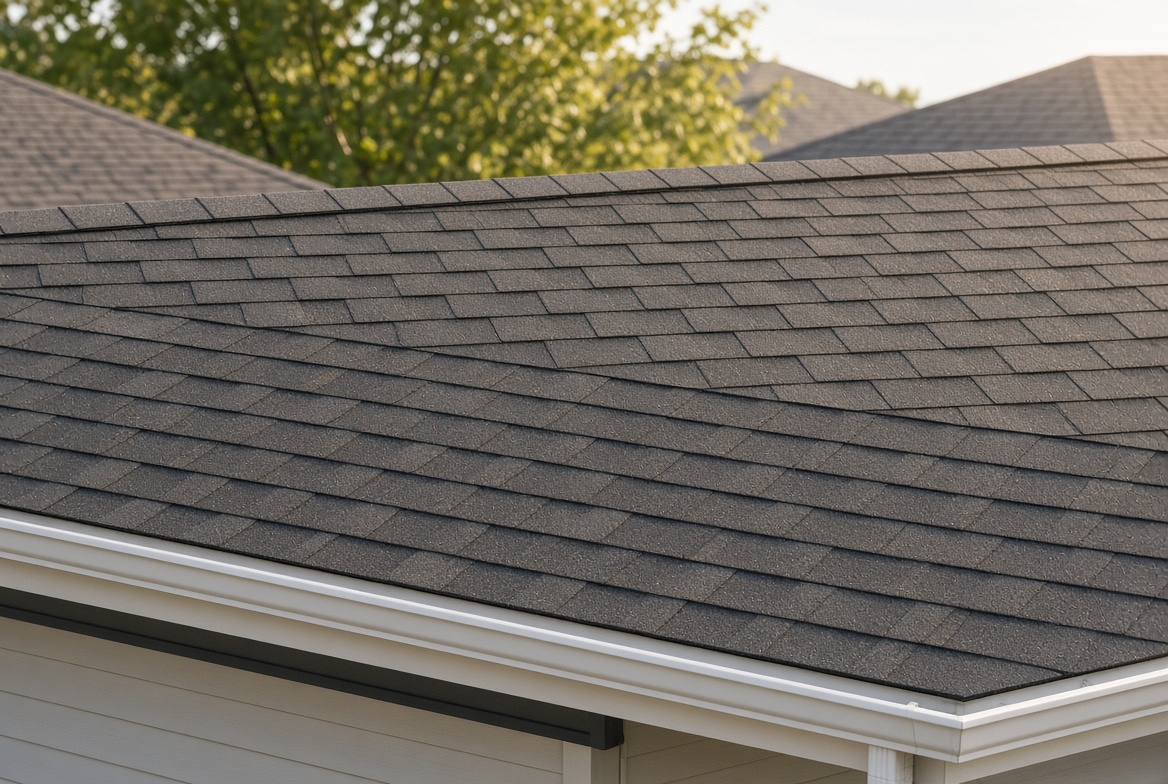
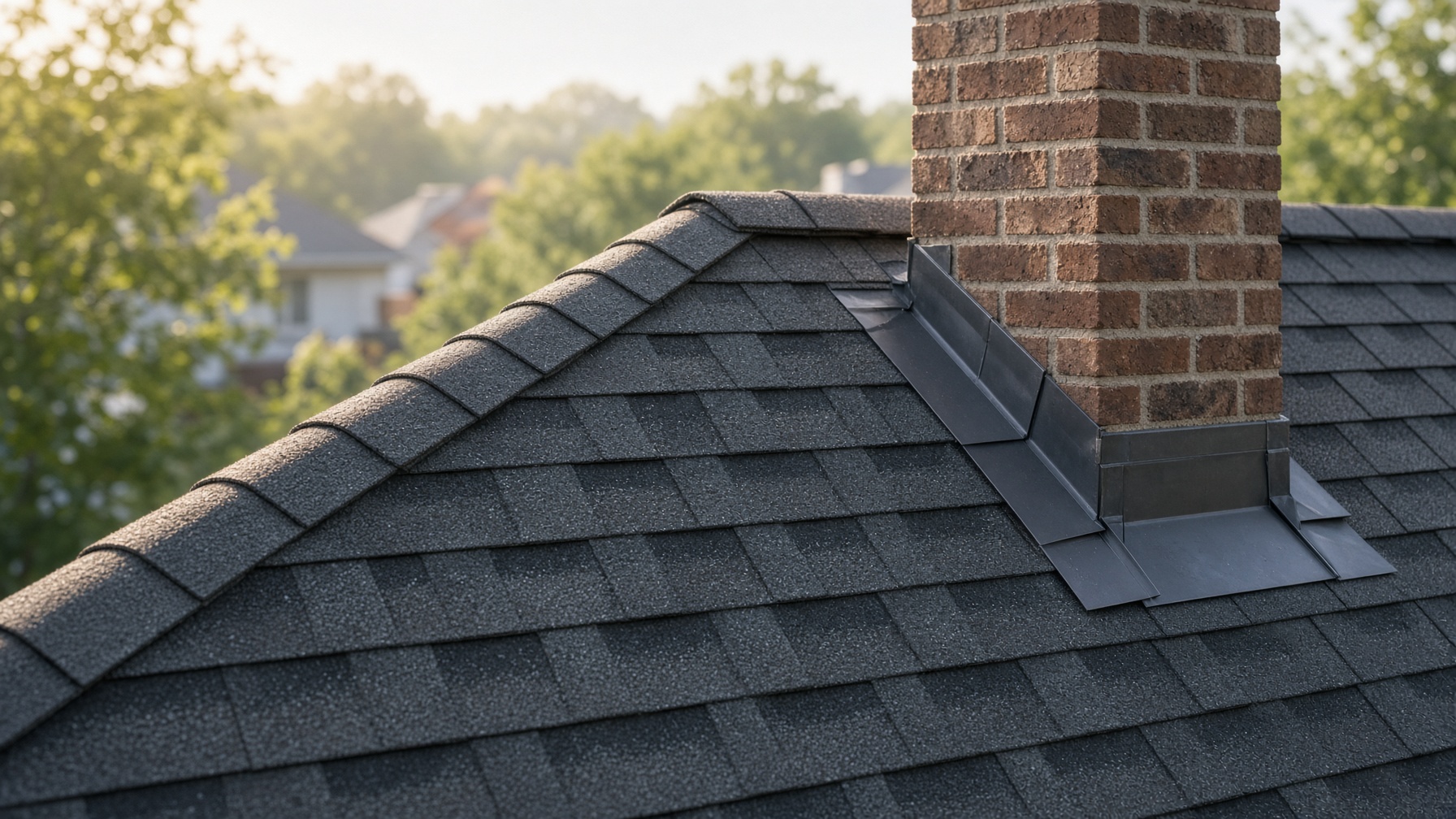
Most roof conversations start with a stain on a ceiling or a neighbor’s crew on the block. Neither one tells you whether you need a repair, a section replaced, or a full tear-off. Shingles can look tired and still be watertight. They can also look acceptable from the street while the flashing around a chimney has already opened up. The useful next step is a person on the roof, not a national average price.
Request a free local roof estimateOpens a third-party form. No obligation to hire.
Repair, overlay, or full replacement
A repair makes sense when the problem is local: a lifted shingle, a cracked pipe boot, a short run of flashing, a few wind-creased tabs. A good roofer will say so. Replacing an entire slope because one boot failed is how small leaks turn into large invoices.
An overlay, sometimes called a re-cover, means new shingles go over one existing layer. Some local codes allow a single overlay. Many do not allow a second. Overlays can be faster, and they leave the old roof in place, which also means the deck underneath is not inspected. If the plywood is soft, an overlay hides the problem until it is worse.
A full replacement means the old material comes off, the deck is looked at, damaged wood is swapped, and a new underlayment and shingle or panel system goes down. It costs more because you are paying for tear-off, dump fees, and a look at the structure. For an older roof with widespread granule loss, curled tabs, or more than one leak, that look is usually the point.
What the material choice actually changes
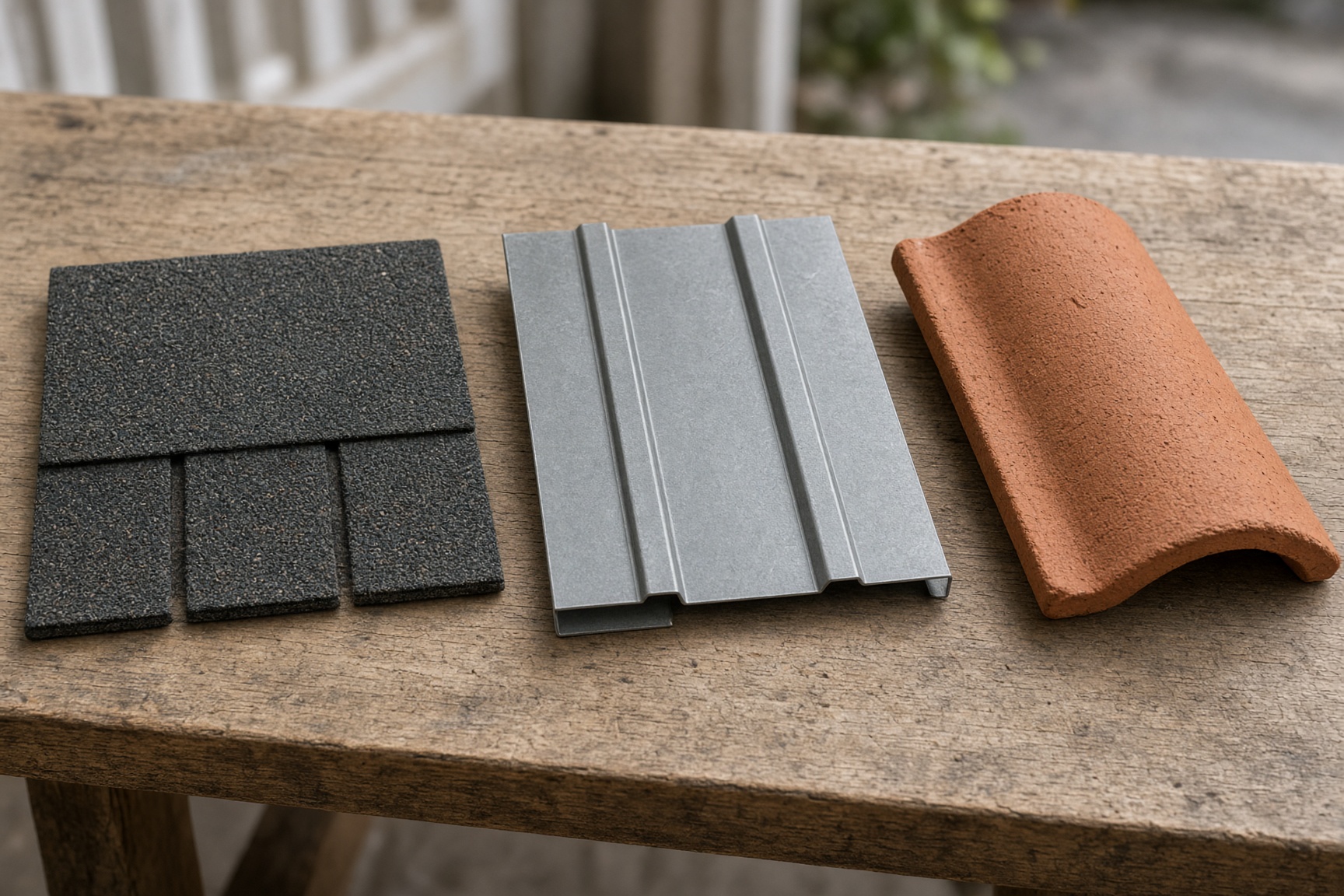
Homeowners are shown three families of products more than any others. None of them is automatically the right one. Climate, roof pitch, the structure’s ability to carry weight, and how long you expect to own the house all sit in the decision.
What should be on the estimate
A number with no scope is not an estimate you can compare. When two contractors are far apart, they are often pricing different work. Ask each written quote to spell out the same items.
- Tear-off or overlay, and how many existing layers they found.
- Deck repair allowance: how soft wood is priced if they discover it after tear-off.
- Underlayment type. Synthetic and felt are not the same product, and ice-and-water shield in valleys and eaves is a separate line in cold climates.
- Flashing: chimney, step flashing at walls, valley metal, drip edge, and pipe boots. Reusing old flashing is a common place quotes get cheap.
- Ventilation: intake at the soffit and exhaust at the ridge or a fan. A tight new roof over a poorly vented attic can shorten shingle life.
- Who pulls the permit, who meets the inspector, and whether dumpsters and landscaping protection are included.
- Labor warranty versus the manufacturer’s material warranty. Those are different documents. Transfer rules matter if you might sell.
Photos from the roof, included with the quote, make the later conversation easier. If a contractor will not get on the roof or will not put the scope in writing, that is information.
Why there is no honest single price
Roof cost moves with the square footage, the pitch, the number of stories, the number of valleys and penetrations, the material, local labor, and dump fees. A simple gable on a ranch is a different job from a cut-up roof with three chimneys. Steep pitches take more time and more safety setup. Replacing rotted decking is extra because nobody knows the full amount until the shingles are off. A responsible contractor prices a unit rate for that wood instead of pretending it will be zero.
Online calculators can help you budget a range. They cannot see your deck. Treat any “average price” as a conversation starter, not an offer. The only figure that belongs in your decision is a written quote for your address, after someone has looked at the roof.
How a free estimate request works
HomeBuddy’s roofing page asks you to describe the project before a contractor calls. The form typically covers whether you want a repair or a replacement, the material you are considering, features already on the roof such as a chimney or skylights, items mounted up there such as a satellite dish or solar panels, whether the roof is pitched or flat, and your ZIP code. You can answer “not sure” on several of those. The point is to send a local contractor enough to know the visit is worth making.
- You answer the project questions on the partner site. This page does not collect them.
- A contractor who works in that ZIP may contact you to set an estimate. Availability is not the same in every town.
- The visit and the written number are theirs. You can decline, compare another company, or ask them to revise the scope.
- Hiring happens only if you sign their contract. Requesting the estimate does not create that contract.
Before anyone starts work, ask for a license number if your state licenses roofers, a certificate of insurance that names liability and workers’ compensation, and the manufacturer line being installed. Storm-chaser crews that appear after hail are not automatically illegitimate, but the same checks apply, and your insurer’s rules about supplements and depreciation are separate from the contractor’s sales visit.
See local roofing estimate optionsThird-party site. ZIP code is entered there, not here.
Signals worth slowing down for
- A quote given from the curb, with no attic look and no roof photos.
- Pressure to sign the same day because a “crew is in the neighborhood.” That is a sales tactic, not a materials fact.
- A request for a large cash deposit to an individual rather than a company you can look up.
- A warranty described only out loud. If it is not in the contract, you do not have it.
- Any pitch that someone else is already paying for the roof, that an insurer has approved a claim you did not file, or that a public grant covers the work. Insurance is between you and your carrier. This page is only an estimate referral.
Questions people ask before they book
Does requesting an estimate lock me into a price?
No. The partner form is a request for a contractor to contact you. The price, if you get one, comes later in writing and you can walk away.
Can I compare more than one contractor?
Yes. Many homeowners request more than one visit. Ask each company to price the same scope so the numbers mean something.
How long does a replacement usually take?
A straightforward single-family tear-off is often a one- to three-day job once materials are on site, longer if decking, chimneys, or weather intervene. Treat any timeline as an estimate until the contractor confirms it for your house.
Will a new roof lower my energy bill?
Color, ventilation, and insulation in the attic affect heat more than the shingle brand by itself. No roof advertisement can honestly promise a dollar figure off your utility bill.
What if I already have solar panels?
Tell the contractor. Panels usually have to be removed and reset by a solar company, which is a separate cost and a separate warranty conversation. Leaving that out of the scope is how projects stall.
Who is Roofing Help Desk?
An advertorial publisher. We are not HomeBuddy and not your roofer. The link goes to HomeBuddy’s roofing estimate flow.
Continue to the estimate formYou can close the next page if the project is not what you wanted.